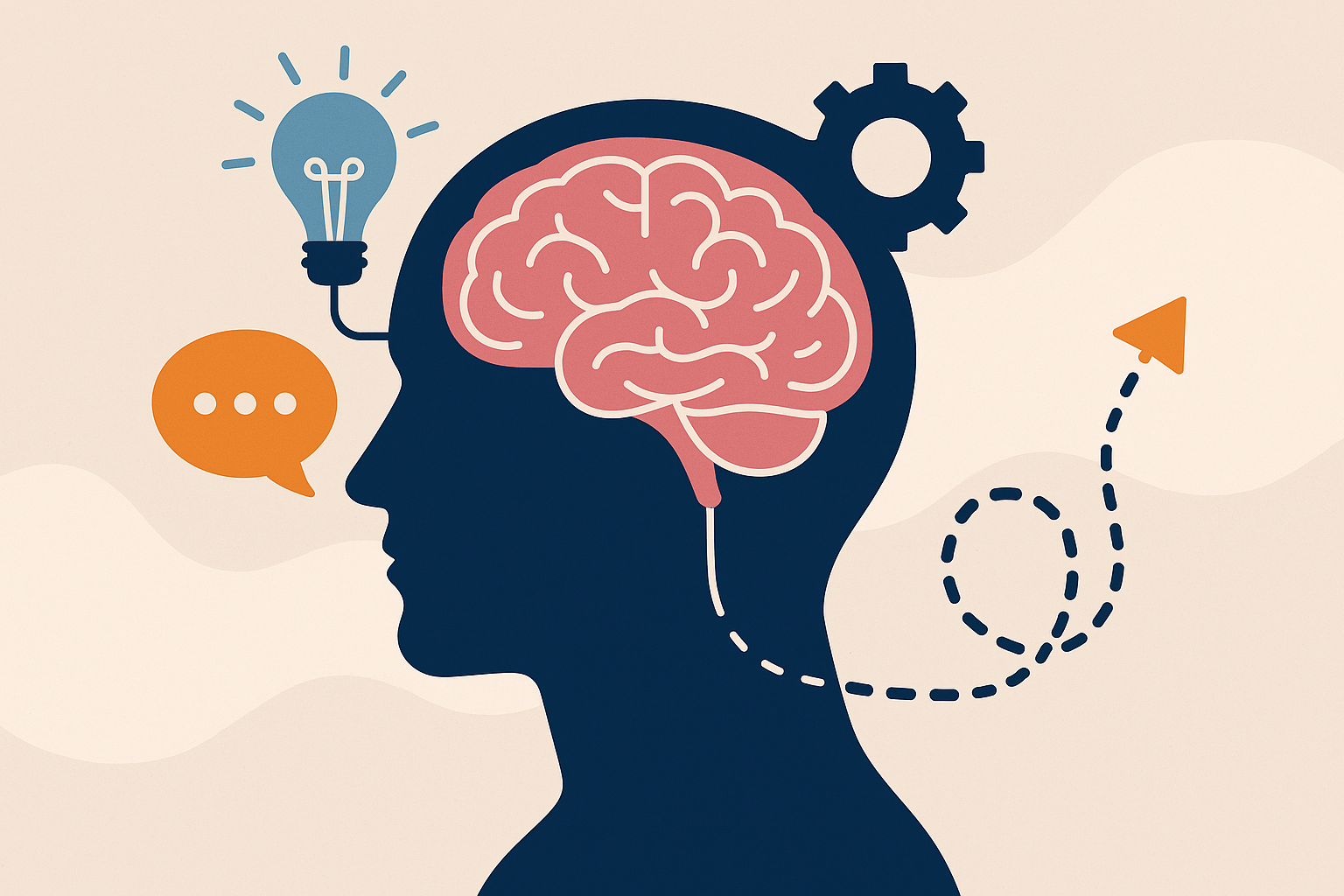
Measuring the success of a training program sounds simple in theory — but in real organizations, the data is rarely neat. Some learners complete training but don’t apply the new skills. Some give happy feedback during class but show no behavior change at work. Some managers support the learning process, while others don’t even know it happened.
So how do we measure learning effectiveness when the data is incomplete, informal, or inconsistent?
The good news: You don’t need perfect data to understand the real impact of learning.
You just need to focus on the right signals and use simple, practical methods that work in day-to-day corporate environments.
This article will walk you through how to measure learning effectiveness even when the data is messy — with clear steps, real examples, and trainer-friendly tools you can start using immediately.
Why Measuring Learning Effectiveness Feels Difficult
Let’s start with a reality check.
Most organizations don’t have:
- Clean performance data
- Fully integrated LMS and HR systems
- Consistent feedback from managers
- Time to run deep evaluations
Yet — trainers and L&D teams are still expected to measure learning effectiveness and report on training results.
So the real challenge is not that learning impact can’t be measured.
The challenge is that we’re often searching for perfect data that doesn’t exist.
Instead, we shift to a practical measurement mindset:
“What can we observe, ask, or track that clearly shows change?”
Once we switch to this approach, measuring learning effectiveness becomes far easier and more meaningful.
Start With One Clear Outcome (Not the Whole Program)
One of the most common mistakes in trying to measure learning effectiveness is attempting to measure everything.
Instead, identify one practical behavior that should change because of the training.
Example:
If the training is about improving communication in team meetings, the measurable behavior could be:
“Participants clearly state action items and responsibilities before the meeting ends.”
This is:
- Observable
- Repeatable
- Linked to real work
- Easy to verify
When we choose one meaningful behavior, it becomes much easier to measure learning effectiveness — because everyone knows what “success” looks like.
Simple Framework to Measure Learning Effectiveness (Even With Messy Data)
Use the Before → During → After method:
| Stage | What You Measure | Why |
|---|---|---|
| Before Training | Current behavior / challenges | Establishes a baseline |
| During Training | Engagement + practice attempts | Shows skill-building-in-motion |
| After Training | Real-world application at work | Shows lasting impact |
This framework works even if your systems are not integrated, because the data is:
- Human
- Observable
- Practical
And yes — you can measure learning effectiveness using it.
Measure Learning Effectiveness Through Conversations (Not Just Data)
Most workplace impact can be seen through conversations rather than dashboards.
Ask three short questions to participants after the training (2–4 weeks later):
- What have you used from the training?
- Where did it help you?
- What are you still struggling with?
These answers:
- Show real application
- Reveal gaps that still exist
- Help you improve future design
This is one of the simplest and most reliable ways to measure learning effectiveness — especially when data is incomplete.
Use Manager Check-Ins to Measure Learning Effectiveness
Managers are often the missing link between training and performance.
Send a simple 3-question follow-up to managers of participants:
| Question | Purpose |
|---|---|
| Have you noticed the participant applying the skill? | Measures visible behavior change |
| What difference has it made in work results? | Measures performance impact |
| What support do they still need? | Identifies what to reinforce |
This takes less than 3 minutes, and dramatically increases your ability to measure learning effectiveness.
Real Example: Measuring Learning Effectiveness in a Sales Communication Workshop

A company ran a workshop to improve sales discovery skills.
Instead of tracking closing rates (too many external variables), they measured:
Behavior to Track:
Sales reps ask at least three open-ended questions before making a product suggestion.
How They Measured Learning Effectiveness:
- Sales managers listened to 2 recorded customer calls per rep.
- They checked how many times open questions were used.
Results:
Within 5 weeks, 68% of reps were using the technique consistently.
That is clear, observable, real-world impact — no perfect data required.
When the Data Conflicts — Trust What You See and Hear
Sometimes:
- Feedback scores are high, but behavior doesn’t change.
- Feedback scores are low, but performance improves.
Example:
Participants might rate a program “challenging” or “uncomfortable,” but if they are using the skills at work, the training was successful.
To measure learning effectiveness, always prioritize behavior and performance signals over emotional satisfaction ratings.
Make Learning Impact Visible Through Small Wins
To measure learning effectiveness, celebrate progress, not perfection.
Examples of visible small wins:
- A learner shares, “I used the technique in a meeting today.”
- A manager reports, “The team now closes meetings with clear next steps.”
- A team reduces rework or confusion.
These moments prove that learning is being applied.
Which means you have successfully measured learning effectiveness in action.
Create a Simple Learning Effectiveness Score (No Advanced Tools Needed)
This scoring method works even in messy environments:
| Category | Score (1–5) |
|---|---|
| Engagement in training | __/5 |
| Confidence using the skill | __/5 |
| Application at work | __/5 |
| Visible impact on results | __/5 |
Total Score Interpretation:
- 16–20 = Strong learning impact
- 11–15 = Partial impact, needs reinforcement
- 4–10 = No meaningful impact yet
This is a practical and fair way to measure learning effectiveness without needing analytics platforms.
Common Mistakes to Avoid When You Measure Learning Effectiveness
| Mistake | What Happens | What to Do Instead |
|---|---|---|
| Trying to measure everything | Data overload with no clarity | Choose one behavior to track |
| Only checking completion rates | You measure attendance, not impact | Focus on application and performance |
| Measuring too soon | No real time for habits to form | Measure at 4–6 weeks, not day 1 |
| Not involving managers | No reinforcement in the workplace | Use simple manager check-ins |
Avoiding these mistakes ensures your approach to measure learning effectiveness stays practical and meaningful.
How to Report Learning Impact Simply and Clearly
When presenting results to leaders, avoid jargon.
Use plain language like:
“Here’s what learners are doing differently now.”
“Here’s what improved in the workflow.”
Executives care about outcomes — not evaluation models.
So the most effective way to measure learning effectiveness is to tell the story of change.
Conclusion: You Can Measure Learning Effectiveness — Even With Messy Data
You don’t need perfect tools.
You don’t need advanced analytics.
You don’t need 50 data points.
You only need:
- A clear behavior to focus on
- A simple follow-up rhythm
- Observation and conversation
- Practical alignment with managers
- The courage to capture the story of learning in action
The ability to measure learning effectiveness isn’t about chasing perfect data — it’s about following the learning into real work.
And that is something every trainer, L&D professional, and HR leader can do — starting today.