Introduction
Corporate training animation is not just a trend—it’s the evolution of how organizations teach, inspire, and retain talent in today’s fast-paced business environment.
Let’s face it—PowerPoint decks and talking heads just don’t cut it anymore. Today’s employees are overloaded with information, attention spans are shrinking, and disengaged learners are costing organizations millions. To keep up, Learning & Development (L&D) leaders must adapt.
Enter corporate training animation—a powerful, science-backed storytelling tool that grabs attention, drives emotional engagement, and dramatically boosts retention.

The Rise of Corporate Training Animation: Why Storytelling Works
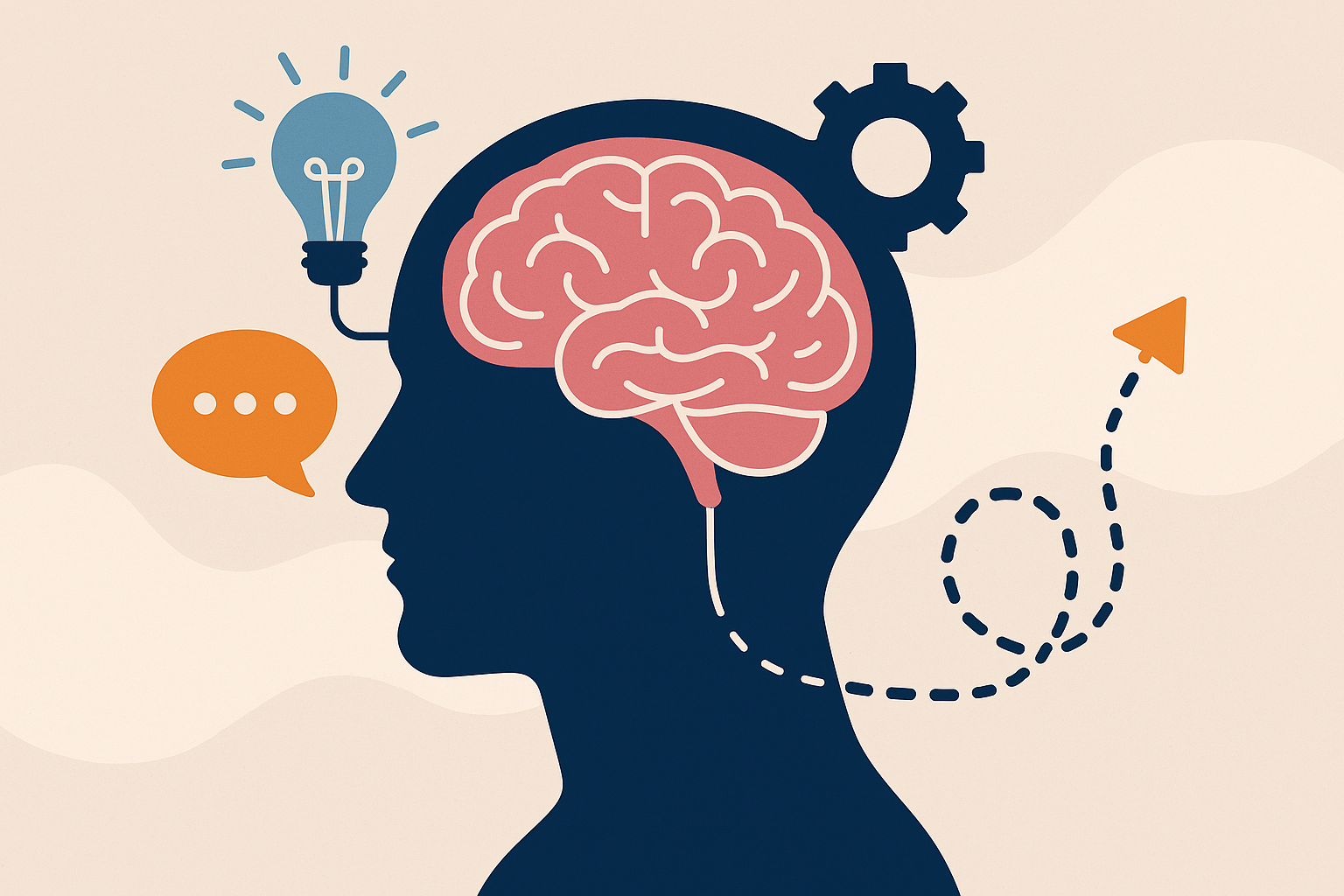
The Power of Storytelling in Corporate Training: Igniting Success and Inspiring Growth [2023]The secret sauce of effective learning has always been storytelling. Stories simplify complex ideas, make abstract concepts relatable, and tap into human emotion. But traditional storytelling methods—like lectures or static slides—often fall flat.
Corporate training animation takes storytelling to a new level. It combines visual learning, auditory cues, and emotional resonance in a single, compelling format. Animated storytelling delivers immersive learning experiences that are engaging, scalable, and memorable.
A 2024 LinkedIn Learning Report reveals that 94% of employees would stay longer at companies that invest in learning—but most organizations still struggle to create content that truly sticks.
That’s where corporate training animation shines: it transforms boring training into an unforgettable experience.
Best Corporate Training Animation Styles That Actually Work

Different corporate learning goals call for different animation styles. Here’s a breakdown of corporate training animation formats that deliver maximum engagement and retention.
1. Explainer Animation for Corporate Training: Simplifying the Complex
Use for: Compliance, onboarding, process training
Explainer animation simplifies intricate topics using clear narration, motion graphics, and concise storytelling. These short-form videos—usually 60 to 120 seconds—break down policies, tools, or workflows into easily digestible pieces.
Why it works:
- Translates complex information into accessible visuals
- Maintains consistency across diverse teams
- Easy to brand and localize
💡 Pro Tip: Use explainer animations to introduce new systems, demonstrate procedures, or provide bite-sized policy overviews for faster onboarding.
2. Whiteboard Animation for Training Soft Skills & Coaching

Use for: Leadership, communication, emotional intelligence
Whiteboard animation mimics a classroom setup, using real-time hand-drawn visuals to explain concepts step by step. It’s a favorite in corporate training animation for soft skills, where clarity and relatability matter most.
Why it works:
- Low-cost and high-engagement
- Step-by-step visual narration enhances memory
- Minimalist style keeps learners focused
Example: Use whiteboard animation to explain conflict resolution, giving learners a clear mental map of steps and responses.
3. 2D Character Animation: Bringing Scenarios to Life
Use for: Scenario-based learning, DEI training, customer service
2D character animation introduces relatable characters that reflect real workplace roles—managers, employees, clients—making the training immersive and human-centered.
Why it works:
- Builds empathy and emotional connection
- Allows for inclusive, global representation
- Perfect for simulations and ethical dilemmas
Case Study: A Fortune 500 telecom brand used 2D character animation to simulate customer service scenarios. The result?
✔ 40% boost in learner engagement
✔ 25% increase in first-call resolution
4. Motion Graphics for Data-Driven Corporate Training Animation
Use for: KPIs, cybersecurity, financial literacy
Motion graphics animate icons, charts, and data to make technical training more engaging. If your content involves processes, numbers, or abstract systems, this is your go-to style.
Why it works:
- Simplifies charts and processes
- Reduces cognitive overload
- Professional, brand-friendly visuals
Example: Use motion graphics to explain quarterly KPIs, breaking down graphs with smooth transitions and synchronized narration.
5. Kinetic Typography: High-Impact Training Through Moving Text
Use for: Safety procedures, acronyms, slogans, summaries
Kinetic typography animates key text to highlight important concepts. When paired with voiceovers and sound effects, this format becomes a dynamic way to reinforce messages.
Why it works:
- Reinforces critical takeaways
- Lightweight and quick to produce
- Ideal for multilingual or text-heavy content
Example: A safety training video highlighting “STOP,” “REPORT,” and “ACT” using animated bold text and sound effects makes the protocol unforgettable.
Pro Tip: Combine Animation Styles for Maximum Impact
Kick off your training with a character-driven story, then transition to whiteboard segments for step-by-step walkthroughs. Wrap up with kinetic typography to reinforce key takeaways.
Storytelling Techniques That Elevate Corporate Training Animation

Animation alone won’t save dull content. Great storytelling brings it to life. Here are expert techniques to maximize learning outcomes through animated storytelling:
✅ Use relatable animated characters
Mirror the demographics and roles of your workforce to increase empathy and buy-in.
✅ Start with real workplace tension
Open with a common challenge and guide learners toward a resolution.
✅ Build a journey arc
Every training video should have a beginning (problem), middle (conflict), and end (resolution).
✅ Trigger emotions strategically
Use humor, curiosity, or frustration to activate memory and attention.
✅ End with learner transformation
Show how the character grows—and how the viewer can, too.
Budget-Friendly Corporate Training Animation Tools
Think corporate training animation is expensive? Not anymore. Today’s tools make animation affordable—even for freelance trainers or small L&D teams.
Recommended Tools:
- Vyond – Easy drag-and-drop animations for beginners
- Animaker – Great for microlearning and internal comms
- Powtoon – Fast, presentation-style videos
- Renderforest – Branded animations and templates
💸 Cost-Saving Tips:
- Batch-produce videos to reduce per-video cost
- Reuse one animated story across multiple courses (e.g., ethics + safety)
- Use AI voiceovers or royalty-free audio to cut production costs
Why Corporate Training Animation Increases Retention and Engagement
The science is clear: corporate training animation dramatically improves learning outcomes. Here’s why:
🎯 1. Visual cues enhance memory
Learners retain 95% of content via video vs. 10% from reading alone (Insivia).
🎯 2. Dual-channel learning
Animation taps both visual and auditory channels, reducing overload and improving clarity.
🎯 3. Emotion boosts retention
Relatable characters and stories create emotional anchors that aid recall.
🎯 4. Scalability and consistency
Every employee gets the same high-quality message, no matter where they are.
Microlearning Animation: Real Examples for Soft Skills Training
Soft skills are notoriously hard to teach with static content. Here’s how corporate training animation makes it easier through microlearning:
- Empathy Training: A 90-second story where a manager delivers tough feedback with empathy
- Conflict Resolution: Animated role-play resolving tension over workload
- Time Management: Humor-driven animation showing poor vs. effective planning
- Cross-Cultural Communication: A virtual meeting scenario with diverse characters handling miscommunication
These bite-sized animated modules can be embedded in onboarding, refresher, or leadership training programs—maximizing ROI.
The Bottom Line: Corporate Training Animation Is No Longer Optional
If your training still relies on PDFs and slides, you’re losing your learners.
Corporate training animation isn’t just a trendy upgrade—it’s a proven method to improve engagement, retention, and learning outcomes. From onboarding and compliance to leadership and DEI training, animated storytelling transforms how organizations deliver knowledge. Whether you’re a freelance trainer, corporate L&D head, or HR manager, now is the time to embrace animation as your training superpower.
Ready to Transform Your Training?
The future of learning is animated. Whether you’re refreshing outdated modules or designing new ones, corporate training animation will give your content the visual power, emotional impact, and retention boost it needs.
Start small. Pick one training topic. Animate it. Then watch how your learners respond.
![The Power of Storytelling in Corporate Training: Igniting Success and Inspiring Growth [2023]](https://trainercentric.com/wp-content/uploads/2023/06/storytelling-1024x576.jpg)